Best Dip Bars for Home Gym (2026): Two Stations That Stay Put
Racks and benches
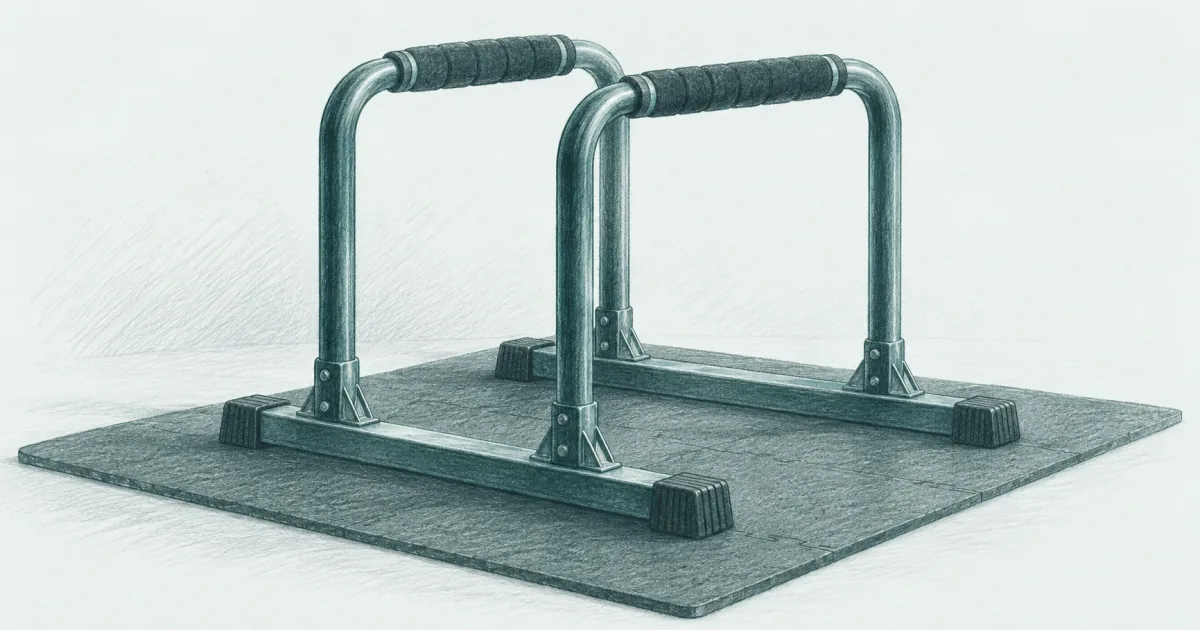
The best dip bars for a home gym are the RELIFE Four-Height Dip Bar, because the rubber feet level the base on an uneven garage floor and the foam handles stay comfortable through high-rep sets. Here are the two stations worth buying.
Our picks
The best dip bars for a home gym are the ones that stop moving. The RELIFE Dip Bar gives you four height positions, comfortable foam handles, and rubber feet that rotate to level the base on a slab that is not flat. At about $59 it costs less than a single plate pair and adds a real pressing movement to a room with no rack.
Dips are the most efficient upper-body press you can do with bodyweight alone. They hit chest, shoulders, and triceps in one movement, need no spotter, and take up a corner. If you already have a squat rack, you may only need a set of handles. If you do not, a free-standing station is the cleaner buy.
This guide sits in our racks and benches guides, alongside the best squat rack for home gym. If you still need a pull-up option, our doorway bar guide covers that side of the room.
What a free-standing dip station has to do
A dip station is two bars and a base, so everything comes down to how the base behaves under load.
- The base has to resist rotation. A dip pushes down and slightly outward. If the feet are narrow or the frame is thin, the bars splay outward and you feel the wobble in your shoulders.
- The height has to match your arms. Foam handles at the wrong height shorten your range or make you lean so far forward you hit the wall.
- The handles have to hold grip. Padded handles matter more than most people expect, because a hard chrome bar gets slippery by rep twelve.
- The frame has to be heavy enough for your body weight plus load. Look for a rating well above what you weigh now, especially if you plan to add a dip belt.
The good news is that the fix for most wobble is setup, not a new station. The two picks below both include a way to correct for the floor.
Height, width, and how dips actually feel
Two adjustments change the exercise more than any spec sheet number.
Height. Higher bars put you in a more upright, triceps-heavy dip. Lower bars let you lean forward for chest. Most home stations land around 31 to 35 inches, which suits average arm lengths. Tall lifters want the top setting, shorter lifters the bottom, and everyone should test the position before locking the bolts.
Width. Wider handles spread the load across the chest and are easier on the wrists. Narrower handles bias triceps and force a deeper range. If the two halves of the station are separate, you can set the width to your shoulders and leave it, which is what most people end up doing.
One more thing worth knowing: dips are harder than they look. If you cannot do five full-range dips, use band assistance first or start with bench dips, then move to the station.
The two stations worth buying
Both have plenty of buyer reviews behind them, 5,283 ratings at 4.3 stars on the RELIFE and 2,501 at 4.4 on the Sportsroyals, and both carry the same 400 lb rating.
RELIFE Dip Bar: best overall
The RELIFE station is the one to buy if your floor is not perfectly flat. The rubber feet correct for slope, the handles are soft enough for long sets, and the frame is rated to 400 lb, which covers bodyweight work and a dip belt for most lifters.
Why this is the top pick:
- Leveling feet fix the wobble that ruins cheap stations on concrete.
- Four height positions suit different arm lengths and dip styles.
- Soft foam handles keep their grip when your hands get sweaty.
- It comes apart for storage if the room gets used for something else.
The weak point is the lower frame. The connecting bar under the base is light, so the station feels best after you snug the bolts properly and set the feet. Very tall lifters also want to check the top height, since the range tops out around 35 inches.
Sportsroyals Adjustable Dip Bar Station: best if it has to fit everyone
This is the station for a garage gym with more than one lifter. Width and height both adjust by hand, so a shorter lifter and a taller one can each find their position, and the bottom bar keeps the frame tied together under load.
Why this is the adjustable pick:
- Tool-free width and height adjustment fits different lifters and grips.
- The bottom safety bar removes most side-to-side movement.
- Sweat-wicking padded armrests stay grippy through long sets.
- The 2 mm steel frame is rated well past bodyweight work.
The catch is the size. It does not fold, it weighs about 31 lb, and it wants a corner of its own. If your floor is uneven, the rocking comes back, so level the station before every session and keep it away from the wall so your forward lean has room.
Which dip bars for home fit a small room?
A station claims about 5.9 square feet of floor at the base and about 13 square feet once you count the room you need in front of it. Both picks are the same size, so the room question is really about what else has to share the space.
At three sessions a week for two years that is 312 sessions, which is where the 19 cents comes from. There is no motor or screen to replace on either station, so that number stays flat for as long as you keep it.
Do dip bars fit in a doorway?
No. A free-standing station is about 34 inches wide and wants 2 to 3 feet of clear floor in front for the forward lean, so it belongs against a wall bay. Doorway hardware is for pull-up bars, not dip bars.
How much weight do dip bars hold?
Both stations here are rated to 400 lb, which covers a heavy lifter plus a dip belt. Compare that rating with your body weight and the plates you plan to hang, and leave a little room for the bounce at the bottom of a rep.
Are dip bars better than a pull-up tower in a small room?
Only if you already have a pull-up option. A tower does both movements in one footprint but takes more floor and costs more. A dip station plus a doorway bar is cheaper and tucks into a corner, which is the better pairing for a spare room.
Dip bars or rack-mounted handles?
If you already own a rack, this is the question worth answering before you spend anything.
Rack-mounted dip handles clip into the uprights and cost less than a standalone station. They use floor space you have already committed, which is the whole appeal. The catch is compatibility: the handles have to match your upright size and hole spacing, and your rack has to be tall enough to hold them at a dip-friendly height.
A free-standing station is easier to place. You can put it in the corner, face it toward a mirror or away from one, and use it for L-sits and inverted rows without a rack in the way. It also works if your rack is a folding wall mount, which cannot hold dip handles at all.
The short version: handles if the rack fits them and you are tight on floor space, a station if you want the freedom to move it or you do not own a rack.
Setting up on concrete so it does not rock
Almost every complaint about a wobbly dip station traces back to setup. Four steps will settle it.
- Assemble on a flat surface and leave every bolt a half turn loose.
- Set the width and height you want, then tighten the bolts in a cross pattern.
- Set the feet, press down hard on both handles, and step back to look at the frame.
- Add a mat if the concrete is rough. A thin rubber mat takes out the last bit of unevenness.
If it still rocks after that, the floor is the problem, not the station. Sheet rubber under each foot, cut to size, is the cheapest fix in a garage. Our home gym flooring guide covers the options if you want to fix the whole corner properly.
How do you set up dip bars to fit your body?
Set the height so your shoulders sit just above the handles, the width to about shoulder distance, and leave the forward lean its own room. Those three numbers matter more than the brand. A station set to the wrong height turns a strong press into an awkward one.
What height should the bars sit at?
Set the handles so your shoulders are just above them at the top of the rep. Too low and you fold forward early, too high and you cannot lock out. Most home stations land between 31 and 35 inches, which covers average arm lengths, and taller lifters want the top setting.
How far apart should the handles be?
Start at about shoulder width. Wider handles shift the load toward the chest and feel easier on the wrists, while narrower handles bias the triceps and push you into a deeper range. On a fixed station, set the width once to your shoulders and leave it there.
How long before you can do a full dip?
Most people need two to four weeks of band-assisted or bench dips before a full-range rep feels controlled. If you cannot hold five clean dips at bodyweight, stay with assistance and skip the dip belt for now. The station will still be there when you are ready.
Who should skip a dip station
- You cannot do five strict dips yet. Use bands or bench dips first. A station will still be waiting when you are ready.
- You own a rack that takes dip handles. Save the floor space and buy the handles.
- You train in an apartment with a low ceiling and no storage. A station does not fold, and it is a permanent piece.
- You want it for pull-ups too. Buy a power tower instead of a dip station, and accept the larger footprint.
- Your shoulders are not ready for loaded dips. Dips put the shoulder in a deep extension. Build up with push-ups and partial-range work first.
For the rest of the room, our weight bench guide and bumper plate guide cover the pieces that pair best with a dip station.
Bottom line
For most home gyms, get the RELIFE Dip Bar. The leveling feet fix the one problem that makes cheap stations frustrating, the four heights fit different lifters, and it costs about $59. Snug the bolts after assembly and it stays put.
If two people share the gym, get the Sportsroyals Adjustable Dip Bar Station. Tool-free width and height adjustment plus a bottom safety bar make it the better shared piece, as long as you have a corner to leave it in. Either way, set it up level before your first set, because a dip station is only as stable as the floor under it.
Frequently Asked Questions
Are dip bars worth buying?
Yes, if you train at home and want a chest and triceps movement that needs no spotter and no bar. Dips load the chest, shoulders, and triceps together, and a station is the cheapest way to do them properly. Buy one only if you have the floor space for a dedicated piece, because they do not fold away.
Can you build muscle with dip bars?
Yes. Dips are a heavy compound press, and most people can add reps for months before they need weight. Once bodyweight sets get easy, a dip belt adds load and the exercise keeps working. Pair dips with rows or pull-ups so you are not pressing without pulling.
What is the best pull-up dip station for home use?
If you want both movements in one footprint, a free-standing tower is the answer, and it costs more than a set of dip bars. If you already own a rack or a doorway bar for pull-ups, buy dedicated dip bars instead. A dip station plus a rack or doorway bar you already own usually works better than one tower that does neither job well.
How much space do dip bars need?
Plan for a footprint of about 34 by 25 inches plus room to step in and out. Leave a clear walking path on at least one side, and keep the station off a wall so your forward lean at the bottom of a chest dip has somewhere to go.
Do dip bars work on carpet?
They work, and carpet actually helps a light frame stay put. The issue is level: carpet padding compresses unevenly, so set the feet, push down a few times, and check the frame again before your first set.
Can you do more than dips on a dip station?
Yes. Use it for L-sits, tuck planches, leg raises, inverted rows with your heels down, and push-up variations with the handles. That range is reason enough to keep a station in the corner even if you only dip twice a week.
How much do home dip bars cost?
A solid free-standing station runs about $60 to $80. Rack-mounted dip handles cost less but need a compatible rack and free up no floor space. Wall-mounted bars are the sturdiest option, and the one to avoid if you rent.