Best Recumbent Bike for Home (2026): 3 Comfort-First Picks
Cardio machines
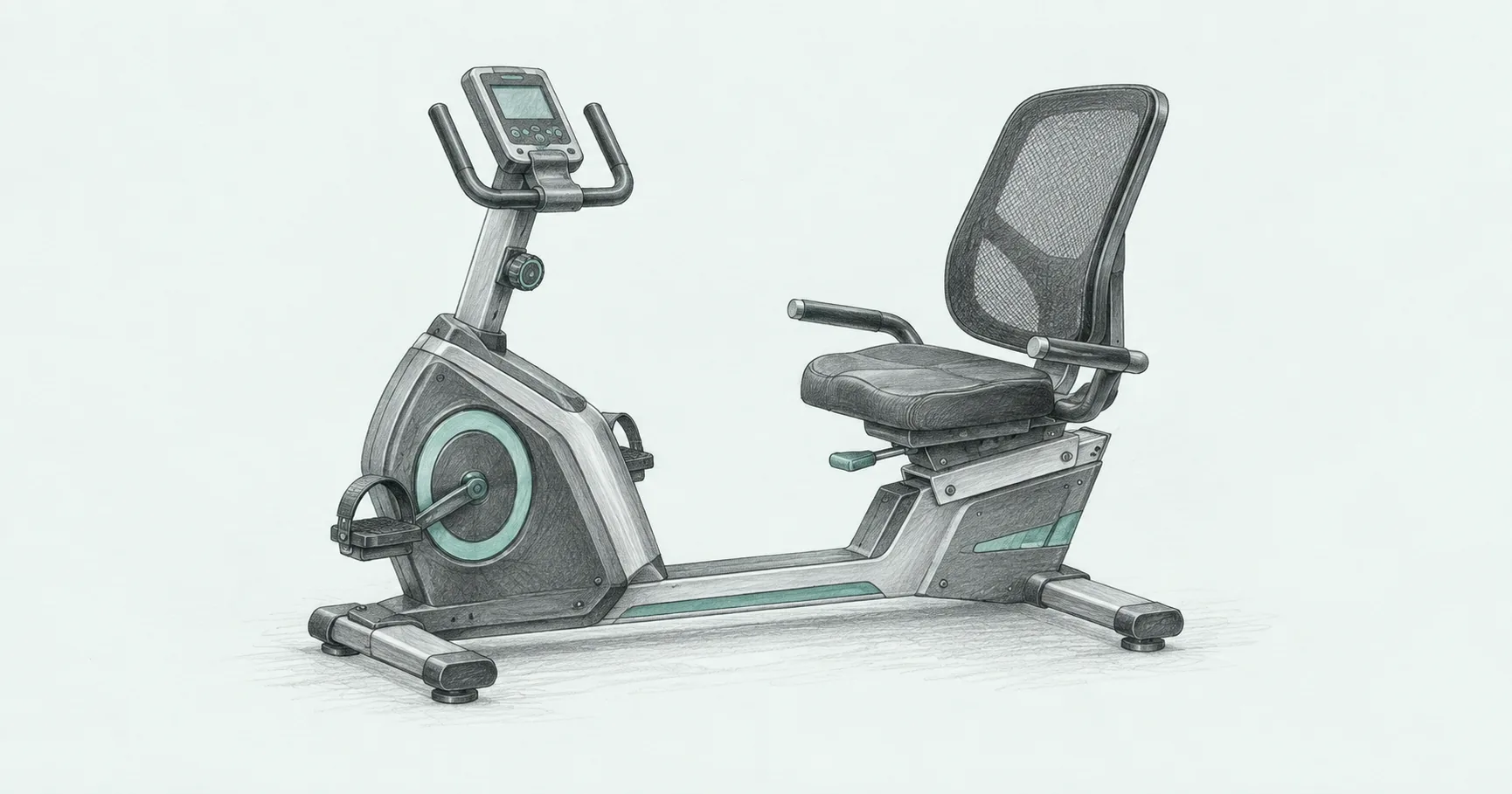
The best recumbent bike for home for most riders is the MERACH S08, because the padded seat and backrest stay comfortable for a long ride and the 8-level magnetic drive stays quiet enough for a shared room. Here are the three recumbents worth the floor space and who each one fits.
Our picks
The best recumbent bike for home for most people is the MERACH S08, and the reason comes down to two things a recumbent has to get right. The seat has to stay comfortable for the length of a real ride, and the ride has to stay quiet enough to live with. The S08 gets both right at the low end of the price range, and it has one of the longest track records in its class.
This guide sits in our cardio machine guides, next to the best rowing machine for home if you would rather pull than pedal. If you want to stand and climb instead, our folding exercise bike guide covers uprights that tuck away. This one is about the machine you can ride for an hour without your back complaining.
Why a recumbent bike is the easiest to keep using
A recumbent does one job better than almost any other cardio machine: it lets you ride a long, steady session in comfort. The wide seat and backrest support your spine, the step-through frame removes the awkward leg swing, and your hands rest at your sides instead of holding your weight.
That makes it the easiest machine to keep using. People who stop riding an upright because of wrist pressure or a sore lower back tend to stick with a recumbent much longer, which matters more than any spec sheet number.
What a recumbent is not built for
It is not the machine for standing climbs or hard sprints. The reclined position trades intensity for comfort, and the wide seat spreads the effort over more surface area. For steady cardio, rehab, and long rides, that trade is what you want.
The three recumbents worth buying
MERACH S08: the best recumbent for most homes
The MERACH S08 is the pick that gets the daily-use details right for the price. The padded seat and backrest support a long ride, the eight magnetic levels run from a light warm-up to a real climb, and the whole bike stays quiet on the drive.
What makes it the pick for most riders:
- A padded seat and backrest that stay comfortable for longer sessions.
- Eight quiet magnetic resistance levels.
- Bluetooth pairing with the MERACH app for tracked rides and games.
- A heart-rate handle built into the grips.
The trade is the bundled console. It is basic on its own, so most riders lean on a tablet and the app for their numbers.
MERACH MR-S19: the best premium recumbent
The MERACH MR-S19 adds the small daily-use upgrades. The car-style lever changes the seat position with a single pull, the backrest is mesh instead of foam, and the whole bike stays quiet on a dual-belt magnetic drive.
What makes it the premium pick:
- A lever seat adjustment that moves in seconds.
- A breathable mesh backrest for longer rides.
- A quiet dual-belt magnetic drive for a shared room.
- An LCD that also pairs with the app.
The trade is the price. It costs about $210 more than the S08, so buy it when sharing the bike or a cooler back is worth the extra.
XVGVSV 400 lb Recumbent: the best for comfort and capacity
The XVGVSV recumbent is the pick for a heavier rider or anyone who wants the easiest possible way to get on and off. The step-through frame and wide seat do the work, and the 16 resistance levels stretch from very easy to a real effort.
What makes it the comfort pick:
- A 400 lb steel frame that stays stable.
- Sixteen resistance levels for gentle up to hard.
- A wide, padded seat and backrest.
- Front transport wheels for moving it around.
The trade is the console. It is basic and has no preset programs, so you ride by feel or by the numbers on screen.
Recumbent vs upright vs spin
The machine you pick should match how you actually ride.
- Recumbent. Best for comfort, rehab, long steady sessions, and riders who want back support. Less core and upper-body work.
- Upright exercise bike. Best for a compact footprint and a more forward position. Harder on the wrists and seat.
- Spin bike. Best for hard intervals and standing climbs. The most intense and the least comfortable for long rides.
If your goal is to finish a ride feeling good enough to do it again tomorrow, the recumbent usually wins. If your goal is to suffer through intervals, an upright or a spin bike does it better.
How to set up a recumbent for your body
A recumbent only feels good if you set it up right.
- Set the seat so your knee is slightly bent at the bottom of the pedal stroke, not locked out.
- Dial the backrest so your lower back is supported without leaning you so far back that your hips rock.
- Keep the pedals under the balls of your feet and check that your knee tracks over your toes, not out to the side.
- Start at a low resistance for the first week, then add a level when a 20 minute ride feels steady.
A quick five minute setup saves a month of discomfort.
Who should skip a recumbent
A recumbent is not the right machine for everyone.
- You want hard intervals. An upright exercise bike or a spin bike suits sprints better.
- You want a full-body pull. A rowing machine works more muscle per stroke.
- Your room is very tight. Recumbents are longer than uprights, so measure first.
- You want to stand and climb. That is a spin bike job, not a recumbent one.
For comfortable, low-impact cardio that you will actually repeat, the recumbent is still the easiest machine to keep in the rotation.
Bottom line
For most homes, buy the MERACH S08. The padded seat and backrest hold up on a long ride, the quiet magnetic drive fits a shared room, and the app pairing gives you something to chase, all at the low end of the price range.
If capacity or an easier step-through matters most, buy the 400 lb XVGVSV recumbent. If you want a lever seat and a cooler mesh back, step up to the MERACH MR-S19. Set the seat so your knee keeps a slight bend at the bottom of the stroke, and start at a resistance level you can hold for 20 minutes before you push harder.
Frequently Asked Questions
What is the best recumbent bike for home use?
For most homes, the MERACH S08 is the best buy, because the padded seat and backrest stay comfortable for a long ride and the magnetic drive stays quiet enough for a shared room. If capacity and comfort matter most, the 400 lb XVGVSV recumbent is the sturdier choice. If you want the small daily-use upgrades, the MERACH MR-S19 adds a lever seat and a mesh backrest.
Are recumbent bikes good for seniors?
Yes, and they are often the easiest cardio machine for older riders to keep using. The step-through frame means you do not lift a leg over a bar, the wide seat supports your back, and the reclined position takes pressure off your wrists and hips. Start with the lower resistance levels and build up.
Is a recumbent bike as good a workout as an upright?
It is a real workout, but the reclined position uses slightly different muscles. You get less upper-body and core engagement than an upright or a spin bike, and the wide seat spreads the effort over more surface area. For steady cardio and rehab, that trade is worth it. For hard intervals, an upright does more.
What is different between a recumbent and a spin bike?
A spin bike puts you upright and forward over the bars, which is built for standing climbs and intervals. A recumbent reclines you into a seat with a backrest and puts the pedals out front, which is built for comfort and long steady rides. Neither is better. They suit different goals and different backs.
How much space does a recumbent exercise bike need?
Plan on a rectangle about 4 to 5 feet long and 2 to 3 feet wide, plus room to swing a leg over the frame. Recumbents are longer than uprights because the pedals sit out front. Measure the space behind the seat too, since that is where the frame stretches back.
Do recumbent bikes need to be plugged in?
No. The bikes here run on magnetic resistance and a small battery for the console, so there is no cord to route and you can place them wherever they fit. A few premium recumbents use a powered console, but none of these picks need an outlet to ride.
How long should I ride a recumbent bike each day?
For general health, 20 to 30 minutes at a steady pace most days is a solid target. For rehab, start with 10 minutes and add time as your body allows. Because the seat supports your back, longer sessions are more comfortable here than on a spin bike, but start where your joints are happy.
What weight can a recumbent bike hold?
It varies. The XVGVSV model here carries up to 400 lb, and both MERACH picks carry up to 300 lb. Buy a bike rated above your weight rather than at it, because the rating covers the rider and daily use wears on the frame over time. Leave a little margin.
How long does a MERACH recumbent take to assemble?
Plan on about 30 minutes. The frame arrives partly put together, and the last steps are the pedals, the console, and the seat. Turn the resistance knob to its top level before you start, because that is the setting the instructions ask for and it makes the flywheel easier to seat.